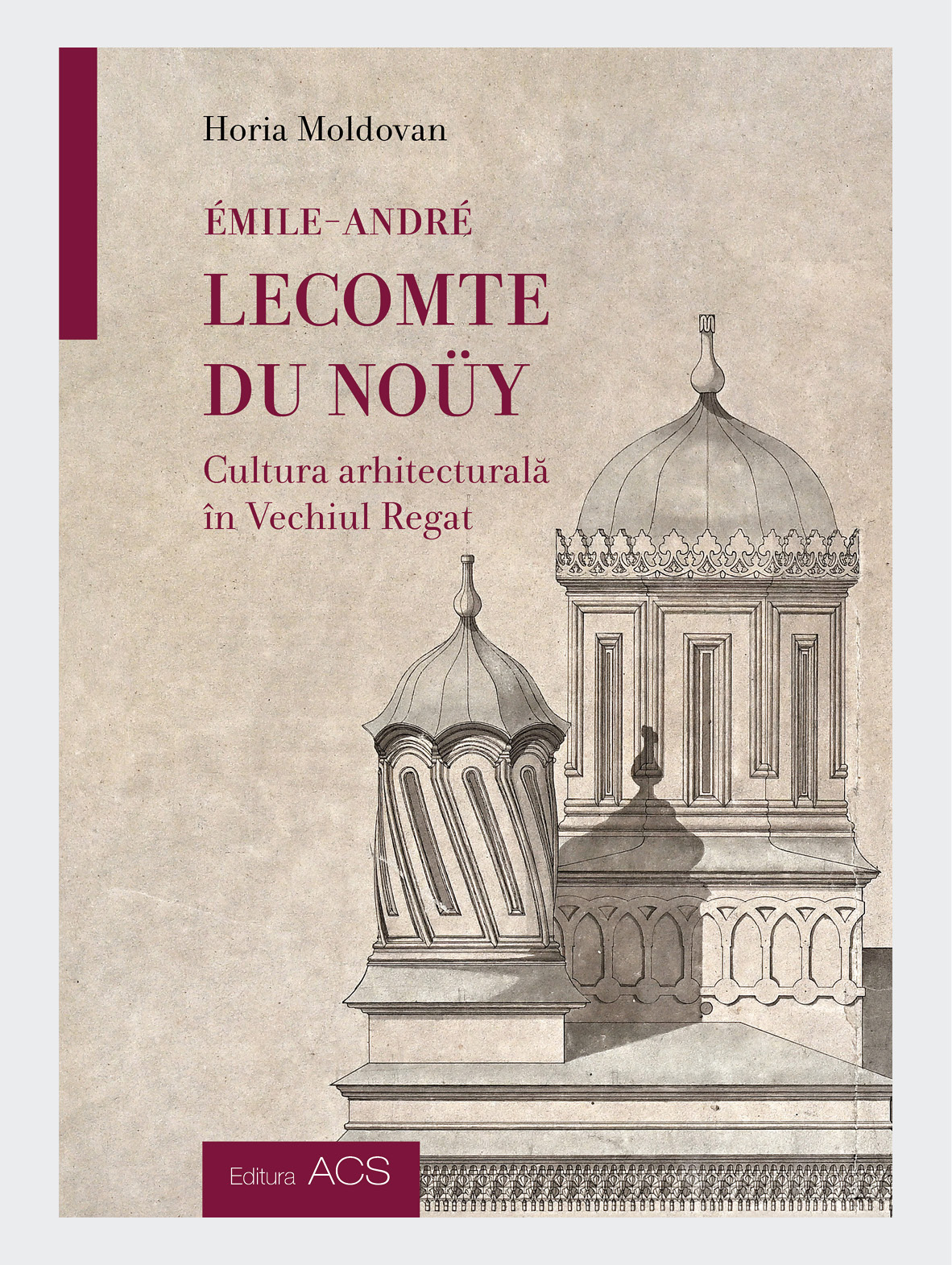
ÉMILE-ANDRÉ LECOMTE DU NOÜY. Cultura arhitecturală în Vechiul Regat
Horia Moldovan
Abstract
Émile-André Lecomte du Noüy (1844–1914) is still frequently mentioned in studies on the history of Romanian architecture, both for his involvement in restoration and reconstruction sites of some of the most representative medieval monuments, and for his new architectural projects, which brought him considerable notoriety. His legacy is significant. Although relatively limited in scope, his body of work—admired by some and contested by others—played an important role in shaping attitudes and practices in heritage protection and restoration, as well as in the early search for a nationally specific architectural language.
Employed in state service yet enjoying considerable freedom of decision, Lecomte du Noüy responded to commissions from King Carol I, whom he advised on artistic matters and who, on numerous occasions, financially supported his projects, appreciating his achievements and granting him access to the close circle of the Royal House. Lecomte du Noüy remains one of those personalities of the Old Kingdom period who, through his architectural work, his social connections, and the extensive documentation preserved from his office, allows us to reconstruct a comprehensive image of what architectural culture meant in the early stages of Romanian modernity.
Horia Moldovan
The highly meticulous study proposed by Horia Moldovan is not merely a repositioning of Lecomte du Noüy within the panorama of Romanian architecture, but a complex reconstruction of the world of historic monuments in Romania, articulated around his figure. The competent and richly documented reading that Moldovan offers is essential for understanding how history and architecture mutually influenced one another at the end of the 19th century and in the early decades of the following century. It thus restores an essential fragment in the formation of modern Romanian culture.
Carmen Popescu
978-606-8922-32-4
2025
584
Architecture and Urbanism, Visual Arts, History and Cultural Studies
Related publications
 2026
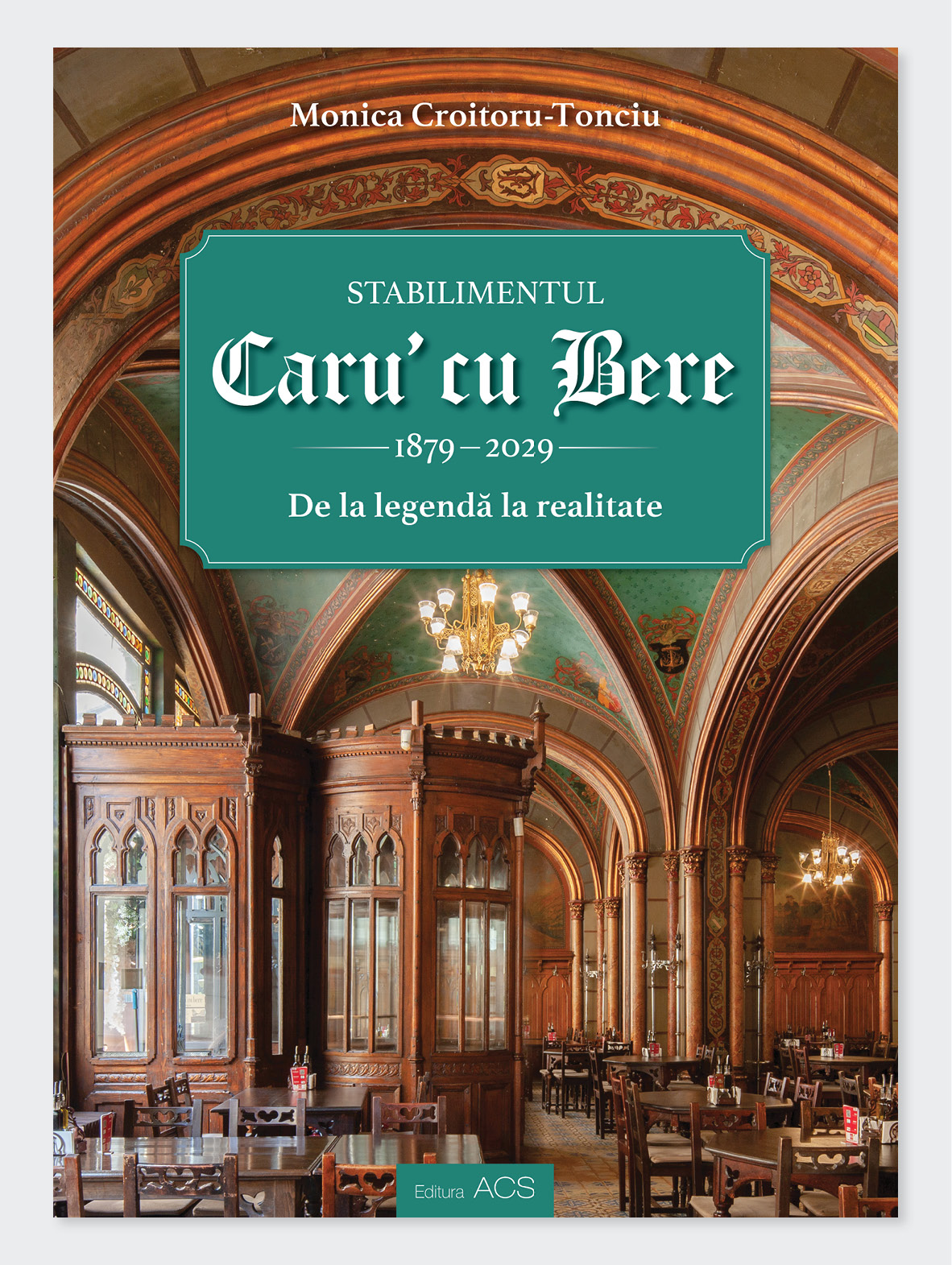
2026Caru’ cu Bere (1879–2029): From Legend to Reality
Monica Croitoru-Tonciu, Niculae Mircea, Eugen Dorobanțu
 2026
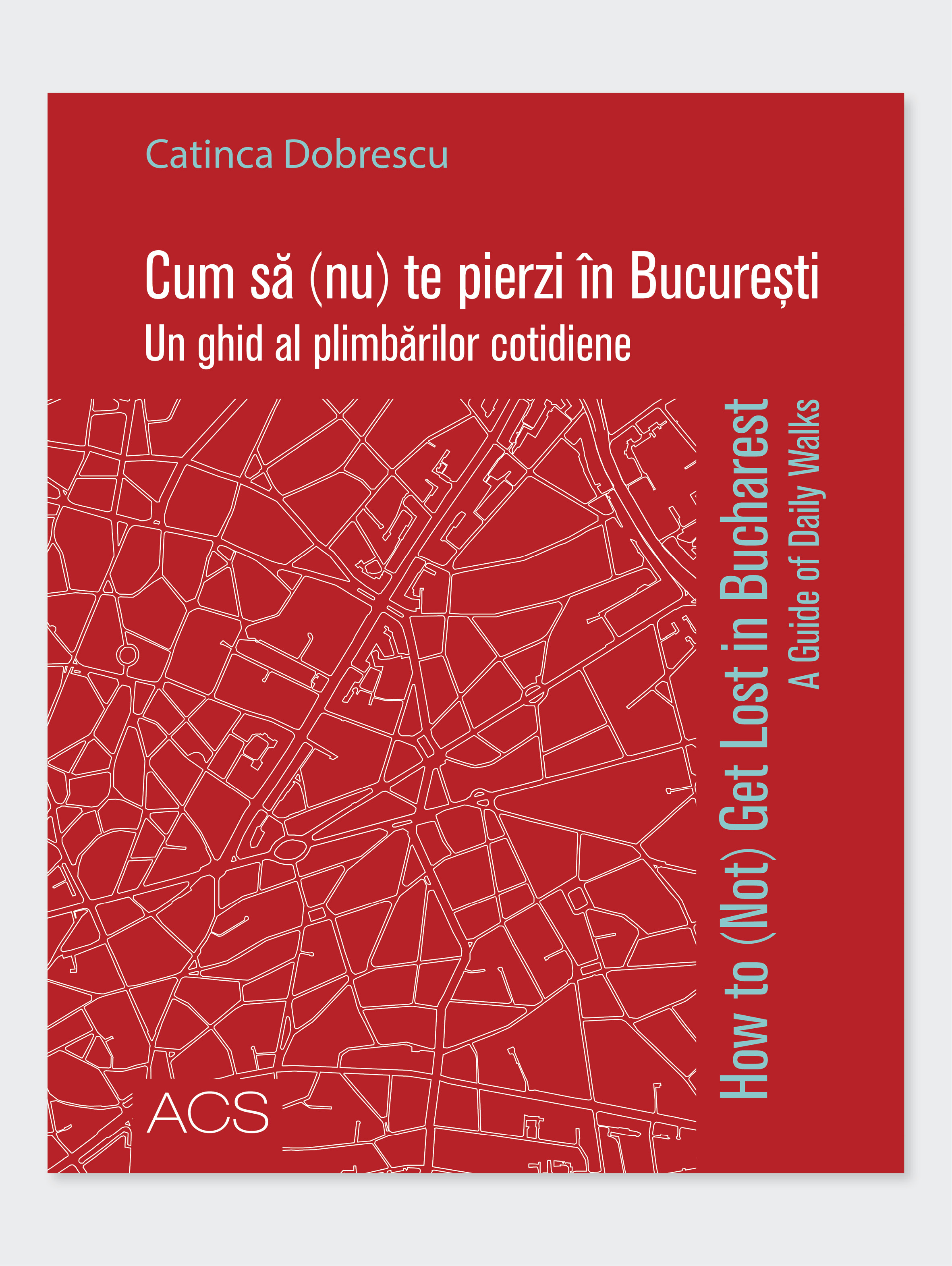
2026How to (Not) Get Lost in Bucharest. A Guide of Daily Walks | Cum să (nu) te pierzi în București. Un ghid al plimbărilor cotidiene
Catinca Dobrescu
 2025
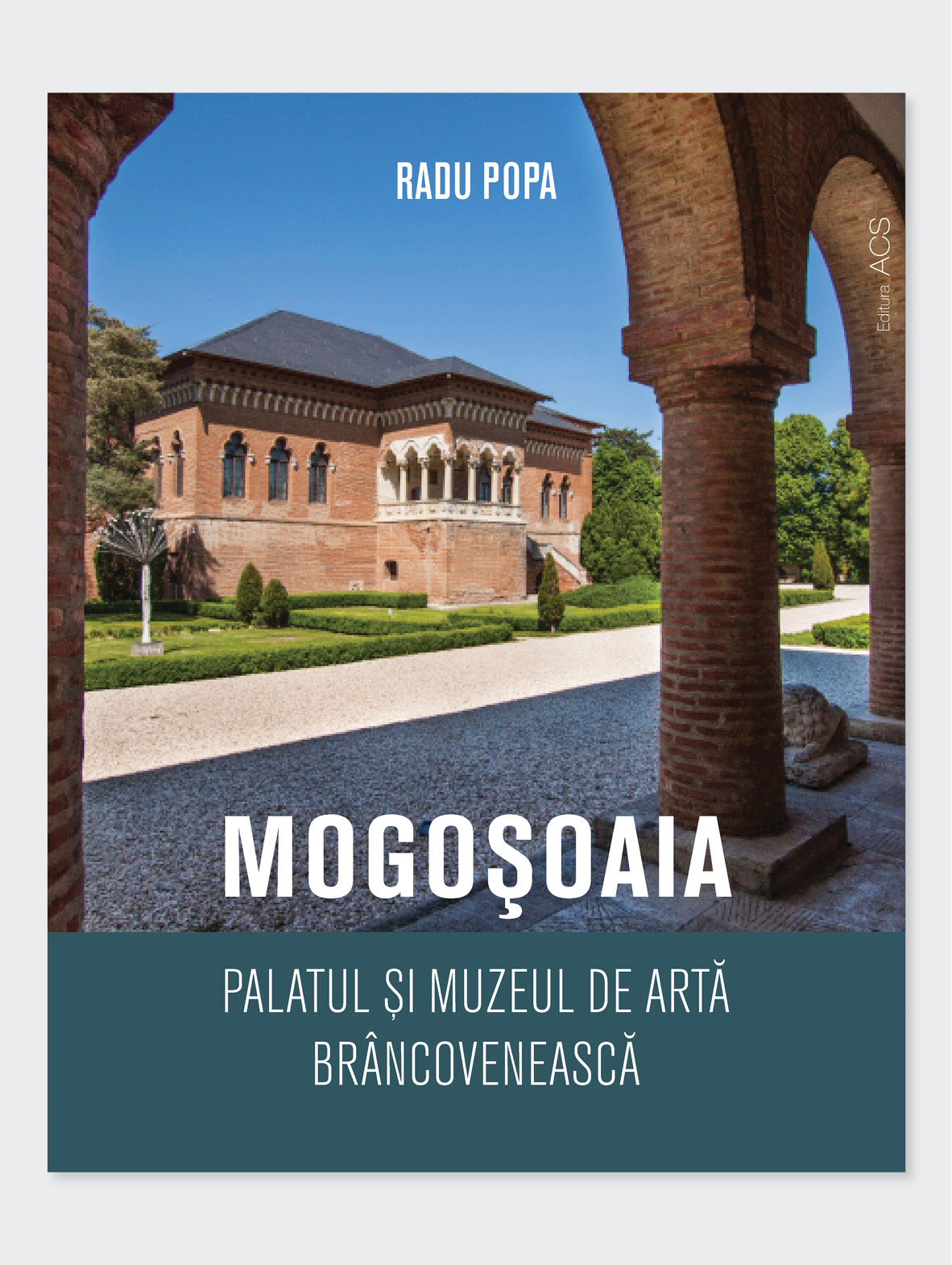
2025Mogoșoaia
Radu Popa