Caietele restaurării 2015
Dan Mohanu, Mihály Ferenc, Tereza Sinigalia, Ioan Darida, Adrian Rauca, Ileana Crețu, Mihai Lupu, Dana-Luminița Postolache, Rodica Pavel, Daniela-Cristina Ilie, Andreea Darida (Michescu), Olimpia-Hinamatsuri Barbu, Migdonia Georgescu, Sultana-Ruxandra Polizu, Ruxandra Nemţeanu, Maria-Magdalena Drobotă, Ioan Istudor, Maria Dumbrăvician, Romeo Gheorghiţă, Gabriela Ștefăniță, Nicolae Hriţcu, Diana Iuliana Barbu, Georgiana Cristina Zahariea, Oliviu Boldura, Gabriela Olteanu, Iulian Olteanu, Mioara Samoilă, Sorin Pîrvulescu, Maria-Valentina Dudu, Elena Vasilica Martin, Ioan Opriș, Anca Dină, Ana Bârcă, Grigore Popescu Muscel, Dumitru Ursu
Abstract
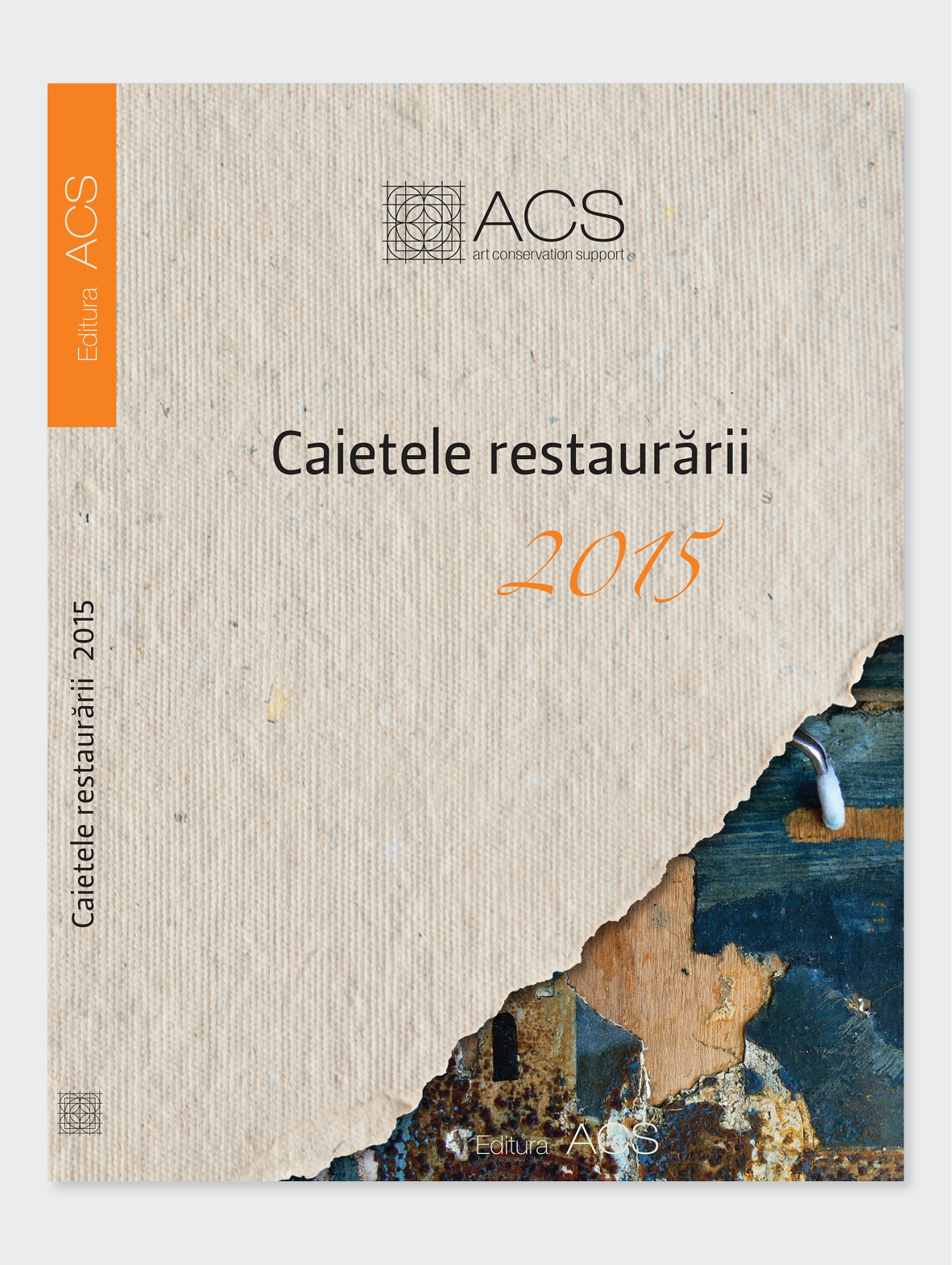
The 2015 issue of Caietele Restaurării is dedicated primarily to matters concerning detachments and overpainting.
These two major interventions often falsify and mutilate the original work, frequently in irreversible ways.
Beyond the issue of overpainting and the concept of restoration applied to surfaces that have undergone interventions over time, our travels throughout the country often bring us face to face with monuments mutilated by recent interventions. The “confusion” of certain “restorers” between aesthetic presentation and overpainting leads, at times, to the complete transformation of the image transmitted through time and to the loss of the original’s historical and aesthetic value.
As for detachments, the reasons for removing painted fragments may sometimes be well founded—when a monument can no longer be saved or when there is no other way to consolidate the masonry structure. The “fortunate” cases in which the detached elements are reinstalled in their original location are very rare, and in the meantime the fragments undergo irreversible transformations. More often, however, the act of detachment itself signs the “sentence” of disappearance for those painted surfaces that, due to lack of funding, end up stored in unsuitable conditions. The long period between detachment and possible reinstallation means that, through the strappo process, the paint layer is transferred from the surface of the fragment onto the facing material.
2285-8598
2015
230
Architecture and Urbanism, Visual Arts
Related publications
 2026
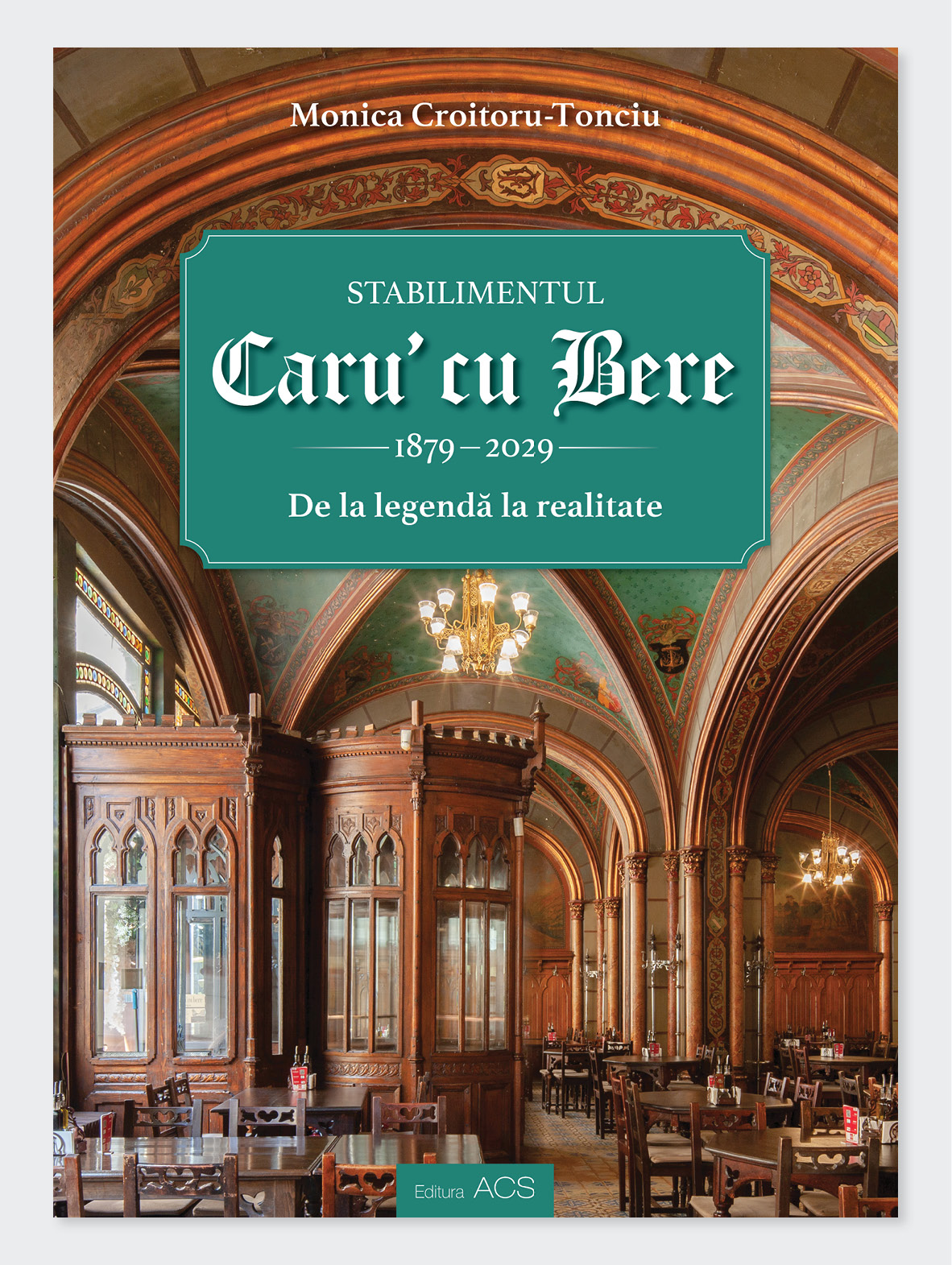
2026Caru’ cu Bere (1879–2029): From Legend to Reality
Monica Croitoru-Tonciu, Niculae Mircea, Eugen Dorobanțu
 2026
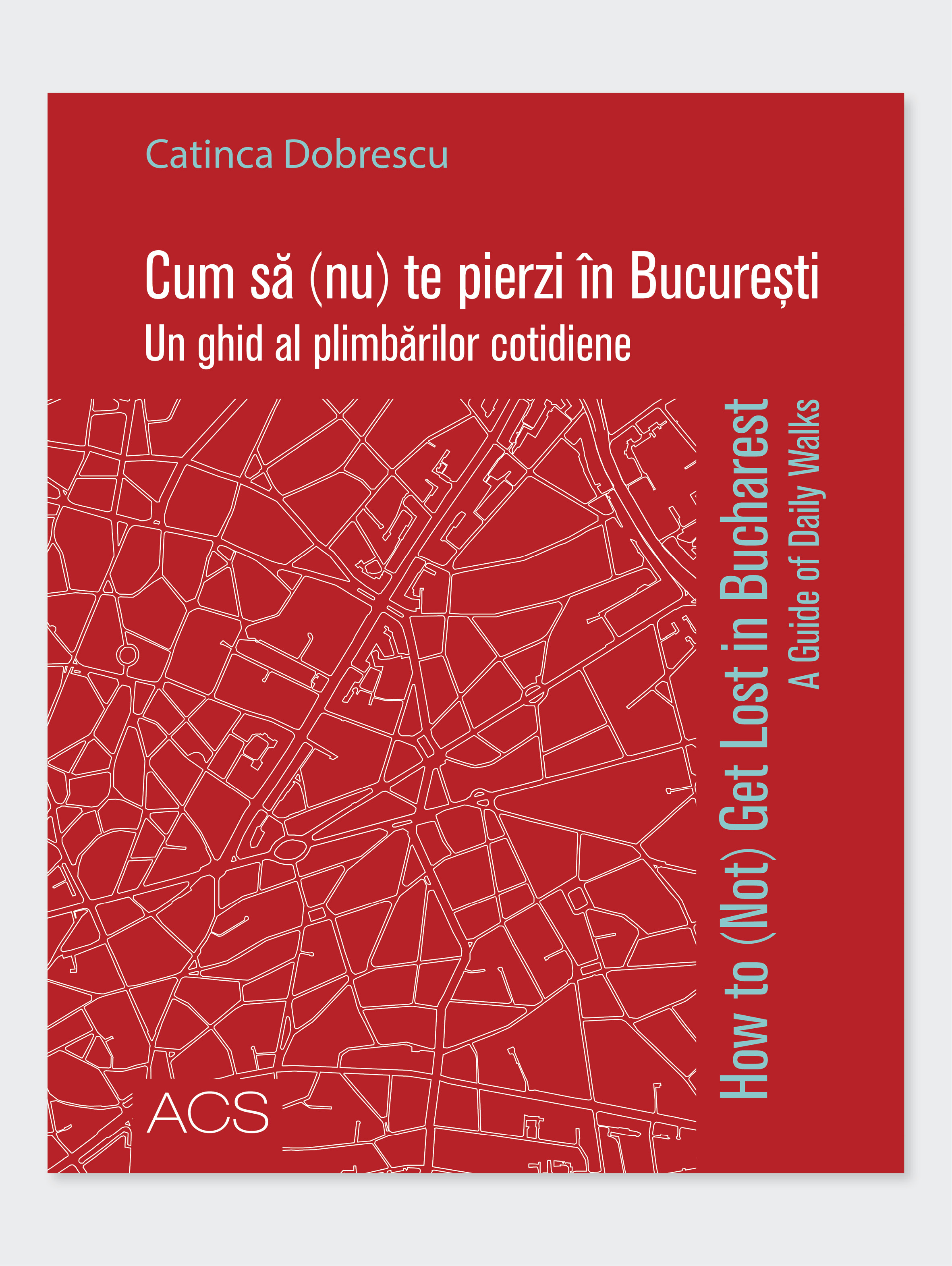
2026How to (Not) Get Lost in Bucharest. A Guide of Daily Walks | Cum să (nu) te pierzi în București. Un ghid al plimbărilor cotidiene
Catinca Dobrescu
 2025
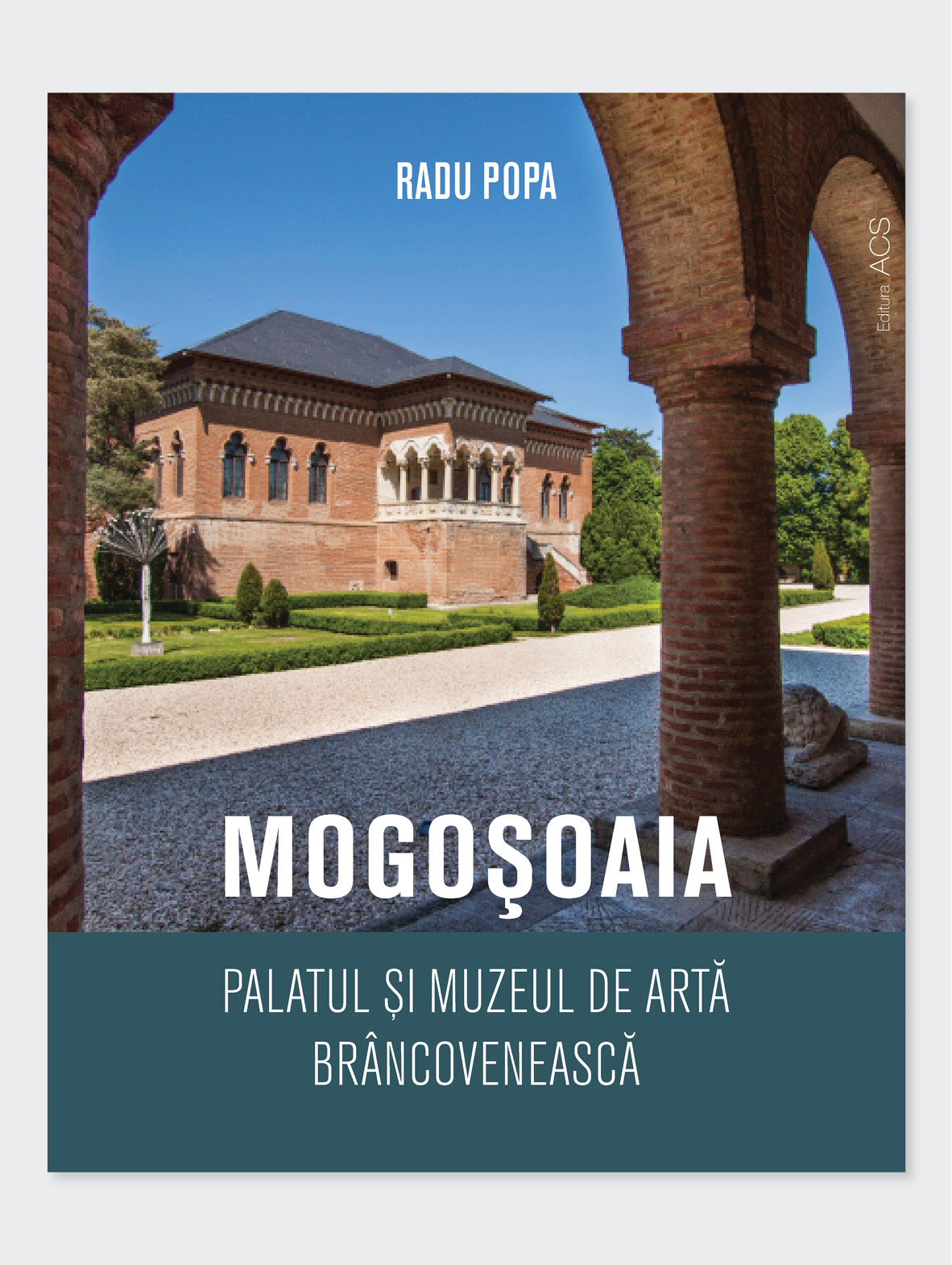
2025Mogoșoaia
Radu Popa