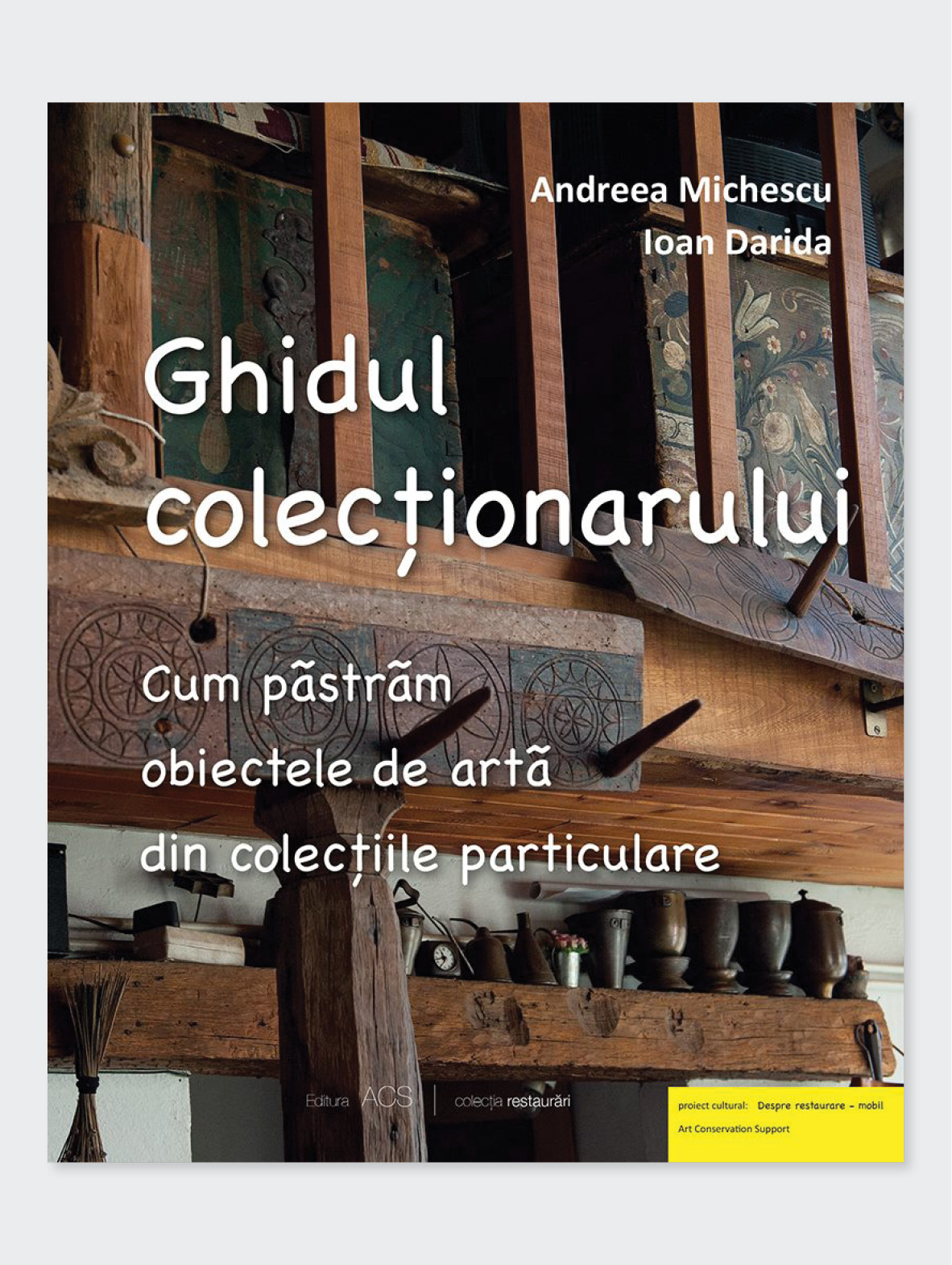
Ghidul colecționarului
Andreea Michescu, Ioan Darida
Abstract
Conservation-restoration of the national heritage—as a field focused on the protection of cultural assets—is a fundamental duty of any society committed to preserving its past. The impressive range of cultural goods includes not only the collections displayed in museums or stored in their reserves, but also the multitude of often “humble” objects found in homes and in the very fabric of people’s everyday lives. Together, they form a true act of identity, a testimony without which we cannot recognize ourselves in the present and without which future generations would feel deprived of their inheritance.
The preservation and restoration of cultural heritage found in museums, collections, sites, and historic monuments is supported with dedication and expertise by teams of specialists—conservators, restorers, chemists, physicists, biologists, and others.
The vast majority of objects and artworks owned by art lovers are naturally cared for by their owners. However, affection and attachment alone cannot replace the specialized knowledge required for the complex interventions that cultural goods often need.
This guide aims to provide a concise overview of:
the main materials that make up works of art, together with their physical and chemical properties;
the most important causes that lead to the degradation of these assemblies of materials and substances which may appear durable (as long as they are properly cared for), but are in fact subject to rapid deterioration through ignorance and neglect.
And, not least… what can be done in such circumstances? Is the situation truly so dramatic? Given the inevitable passage of time and the imperative to protect and prolong the life of these entities—testimonies of an era that unequivocally confirm our identity—the answer requires careful reflection.
Although the presentation above is necessarily concise, it is intended to justify our approach: a sincere concern and, ultimately, a modest effort aimed at achieving meaningful results in the preventive conservation of cultural goods held in collections and art galleries.
The obligation to protect lies with the owner, even through their emotional attachment to the object. Whether inherited or acquired, a work of art exists in both an intimate and spatial proximity; it becomes part of the domestic environment in which we spend most of our lives. Nevertheless, we have also witnessed unacceptable ways in which heritage is treated—an unfortunate indifference toward proper storage conditions.
This work seeks to guide collectors’ good intentions, to supplement their knowledge, and to correct subjective attitudes.
While in restoration one may sometimes accept general recipes—always with caution, and with specialists testing each material and intervention method—in preventive conservation we are compelled to propose a set of guidelines to assist the collector. These are not infallible, and the emphasis is not on what the owner must necessarily perform personally. However, we are convinced that carefully observing objects, identifying early signs of degradation before they become irreversible, is a realistic and achievable goal. Once such changes are reported to specialists—no matter how minor—they can be addressed in time. The well-known principle that “prevention costs far less than restoration” remains as relevant today as ever, both in the interest of the owner and in the fundamental objective of protecting works of art.
978-606-8922-00-3
2017
144
Visual Arts, History and Cultural Studies
Related publications
 2026
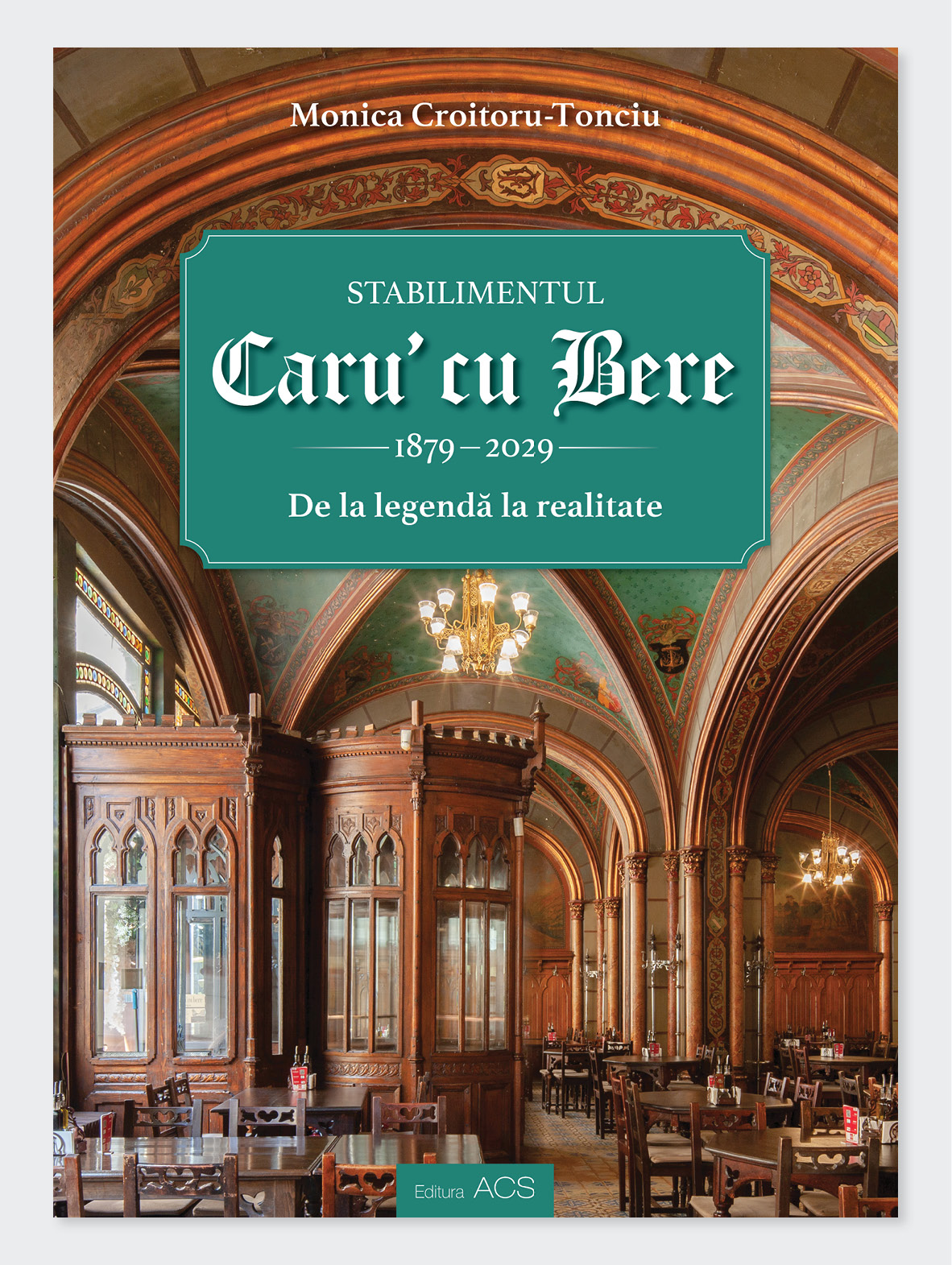
2026Caru’ cu Bere (1879–2029): From Legend to Reality
Monica Croitoru-Tonciu, Niculae Mircea, Eugen Dorobanțu
 2026
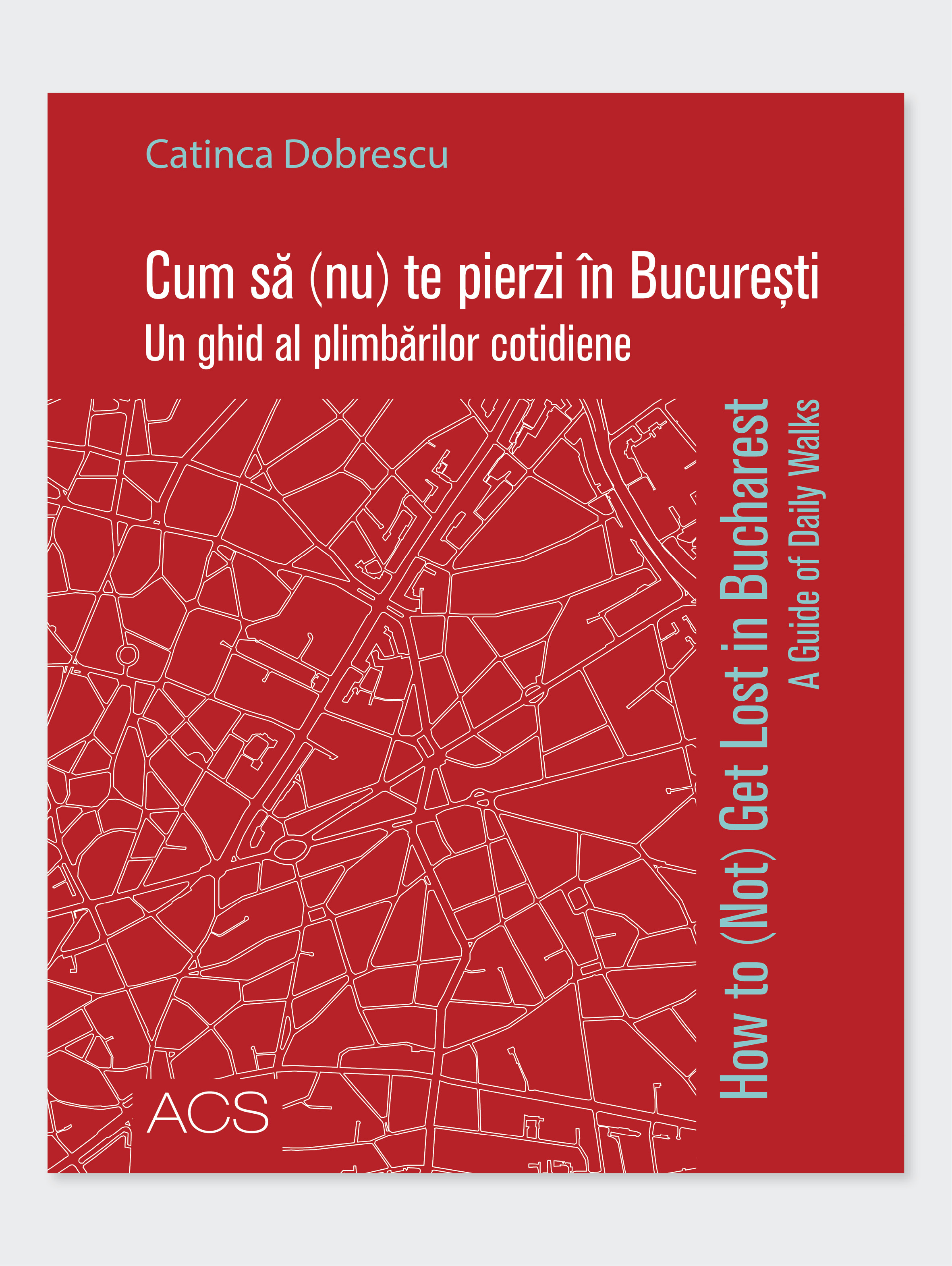
2026How to (Not) Get Lost in Bucharest. A Guide of Daily Walks | Cum să (nu) te pierzi în București. Un ghid al plimbărilor cotidiene
Catinca Dobrescu
 2025
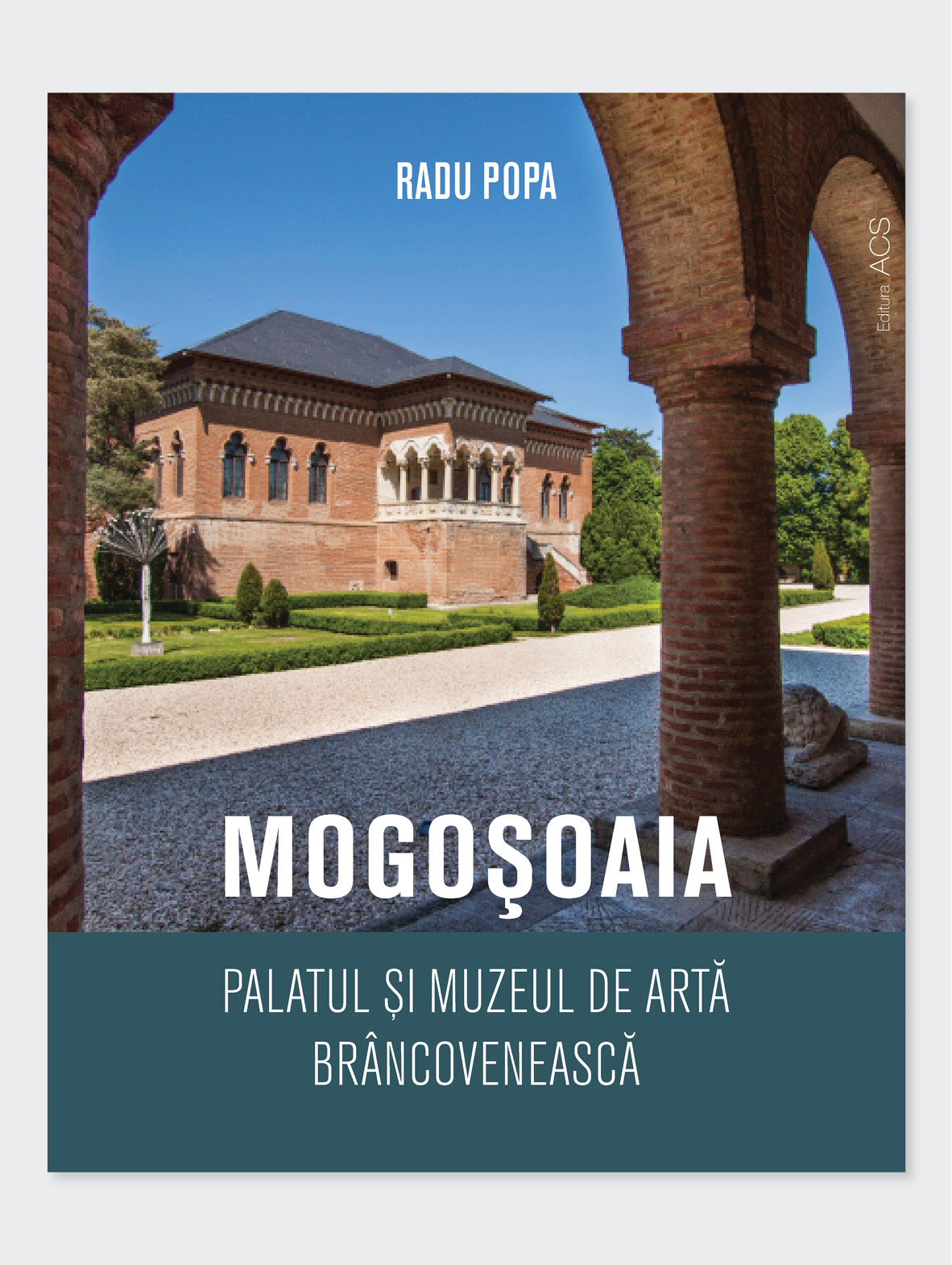
2025Mogoșoaia
Radu Popa