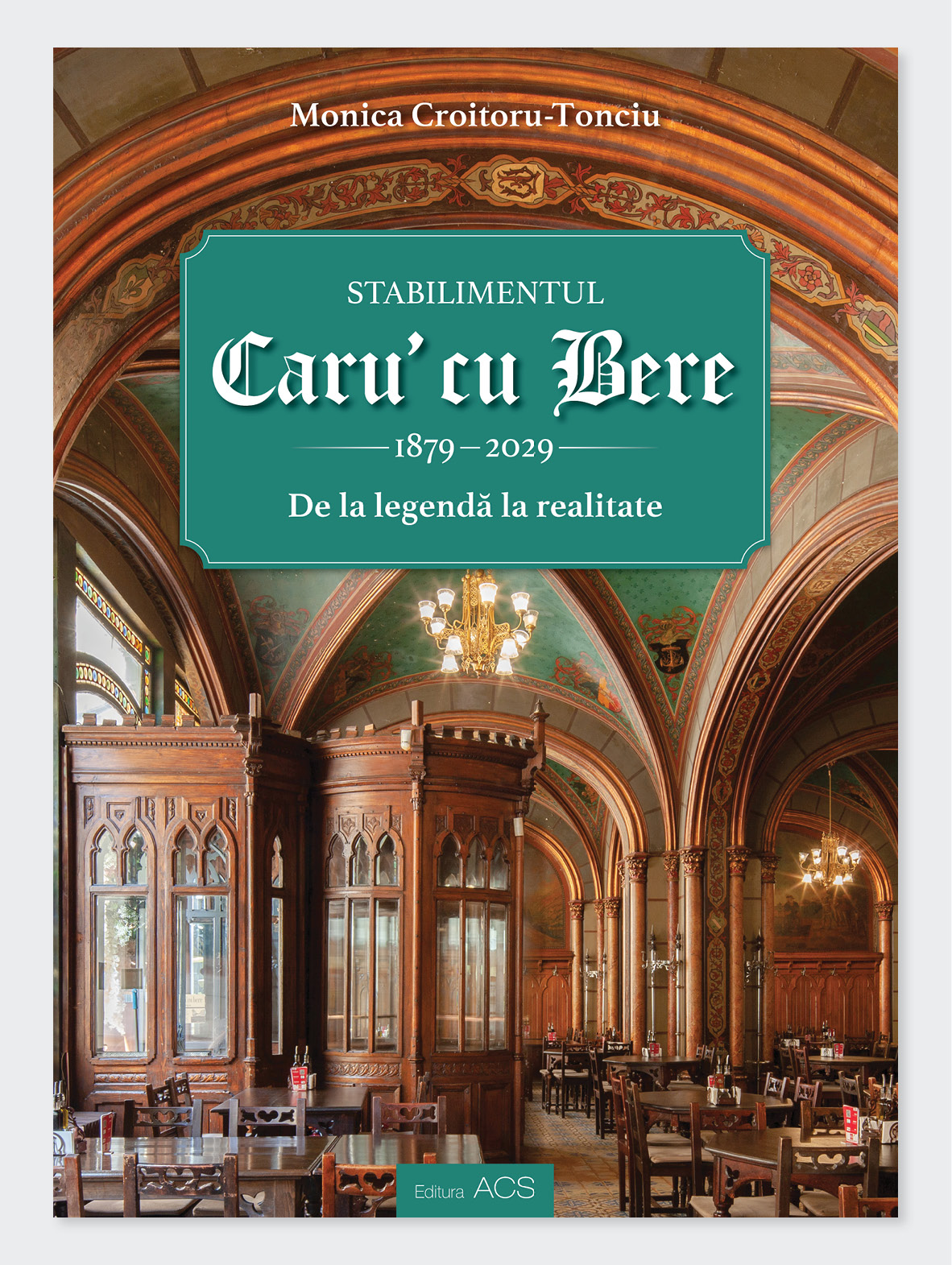
Caru’ cu Bere (1879–2029): From Legend to Reality
Monica Croitoru-Tonciu, Niculae Mircea, Eugen Dorobanțu
Abstract
Caru’ cu Bere, established in 1899 at 5 Stavropoleos Street and building on a tradition that began in 1879, is a landmark of Bucharest’s architectural and commercial heritage and, more broadly, an enduring symbol of Romanian culture. From its earliest years, it distinguished itself through the exemplary fulfillment of three essential roles: visual delight, offered by its remarkable Neo-Gothic eclectic architecture designed by architects Ziegfried Kofszynski and Alois Pesch and enriched with outstanding artistic elements; culinary excellence, rooted in a Romanian-German-Austrian gastronomic tradition accompanied by an exceptional selection of beer; and its function as a meeting place and center of sociability, particularly for Romanians from Transylvania. It was here that writers now regarded as canonical found inspiration, and where leading political figures gathered, making decisions that influenced the course of the nation’s history. The establishment’s fame soon extended beyond Bucharest, appearing in urban novels, humorous fiction, anecdotes, political journalism, statistical records, and advertisements—often in the language of superlatives—and becoming an integral part of the city’s cultural imagination.
Organized both chronologically and thematically, this volume presents and analyzes the history of the Caru’ cu Bere company and establishment from its beginnings to the present day. Caru’ cu Bere emerges as a defining phenomenon of its era, a symbol that has preserved many of its original qualities while successfully embracing the promotional strategies of the contemporary age. Throughout its long history, inheriting and enriching a remarkable tradition, the establishment has been closely linked to the lives of outstanding personalities, most notably its founders, the merchants Ion Căbășanu and the Mircea brothers, who came from the village of Cața in Brașov County.
Monica Croitoru-Tonciu
From 1899 to the present, the institution founded by the Mircea family at 5 Stavropoleos Street has operated continuously, despite the upheavals and disasters that have affected Bucharest over the decades. The secret of this extraordinary longevity is now revealed in a masterfully crafted monograph. (...)
Far more than a study of a Bucharest restaurant, this book becomes a genuine handbook of entrepreneurship, creativity, and institutional excellence through its intelligent use of an impressive documentary archive. The Mircea family archive, national archives and libraries, private collections, and testimonies from employees and relatives have all been skillfully woven together to create a compelling portrait of an emblematic institution. (...)
Rarely do so many positive elements come together in one place: a thriving institution, visionary leaders, and an exceptional historian in Monica Croitoru-Tonciu. Under the long-standing guidance of engineer Niculae (Nuco) Mircea, Caru’ cu Bere, now part of the City Grill brand, is assured a future as Bucharest’s enduring “Temple of Beer.”
Georgeta Filitti
978-606-8922-33-1
2026
312
Architecture and Urbanism, Visual Arts, History and Cultural Studies
Related publications
 2025
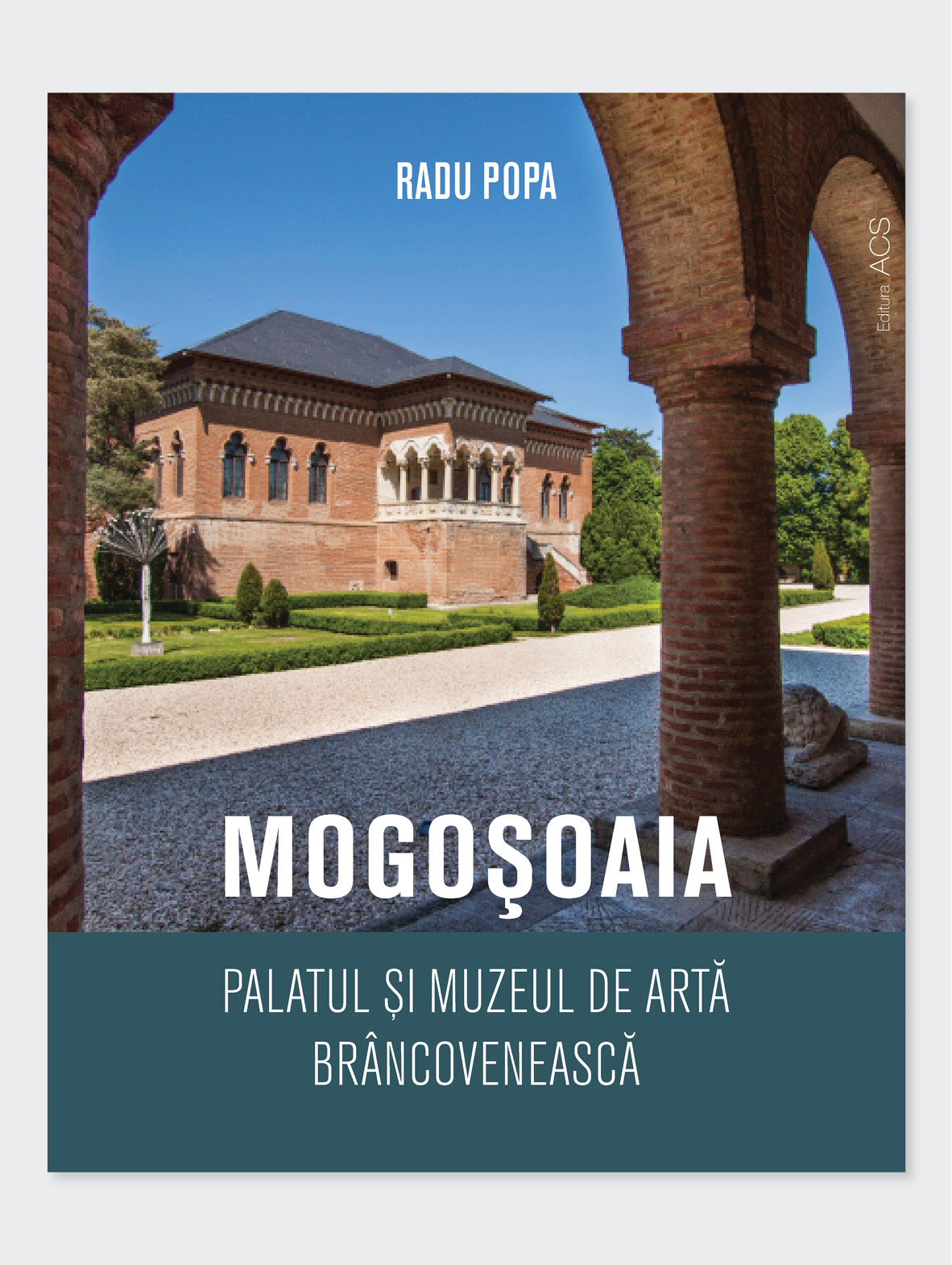
2025Mogoșoaia
Radu Popa
 2025
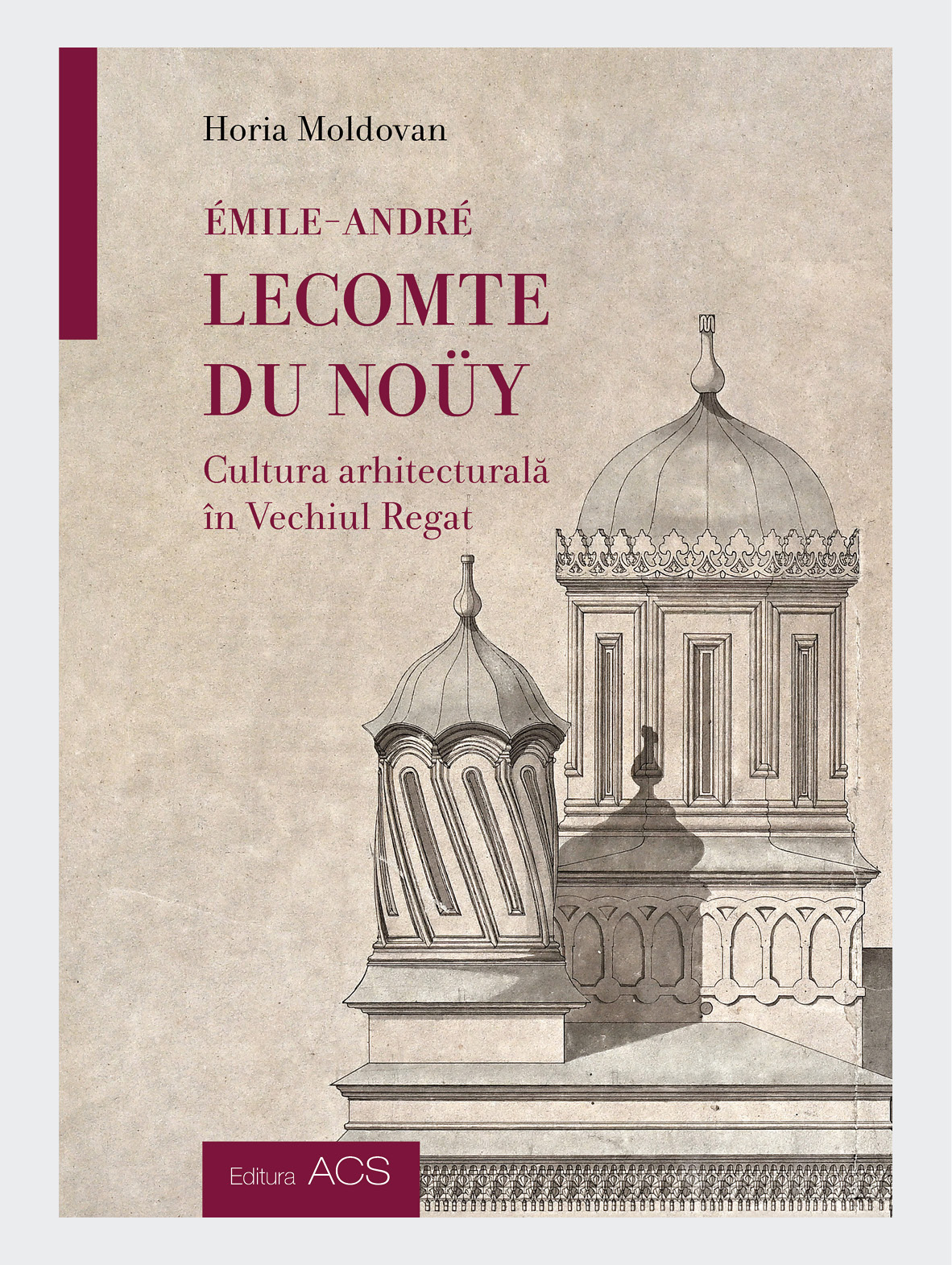
2025ÉMILE-ANDRÉ LECOMTE DU NOÜY. Cultura arhitecturală în Vechiul Regat
Horia Moldovan
 2025
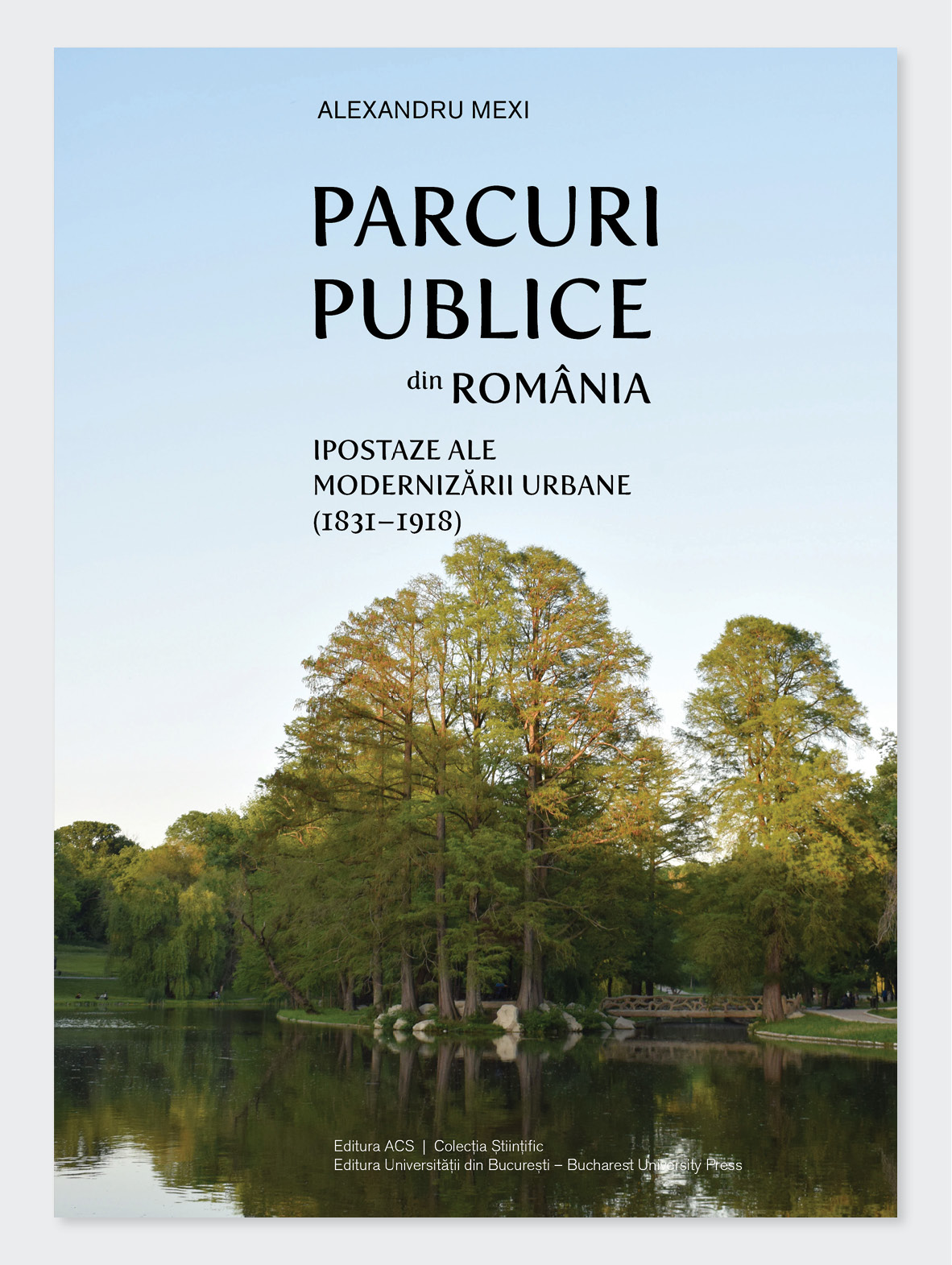
2025Parcuri publice din România
Alexandru Mexi