Tipologia așezărilor secuiești
Gabriella Olasz
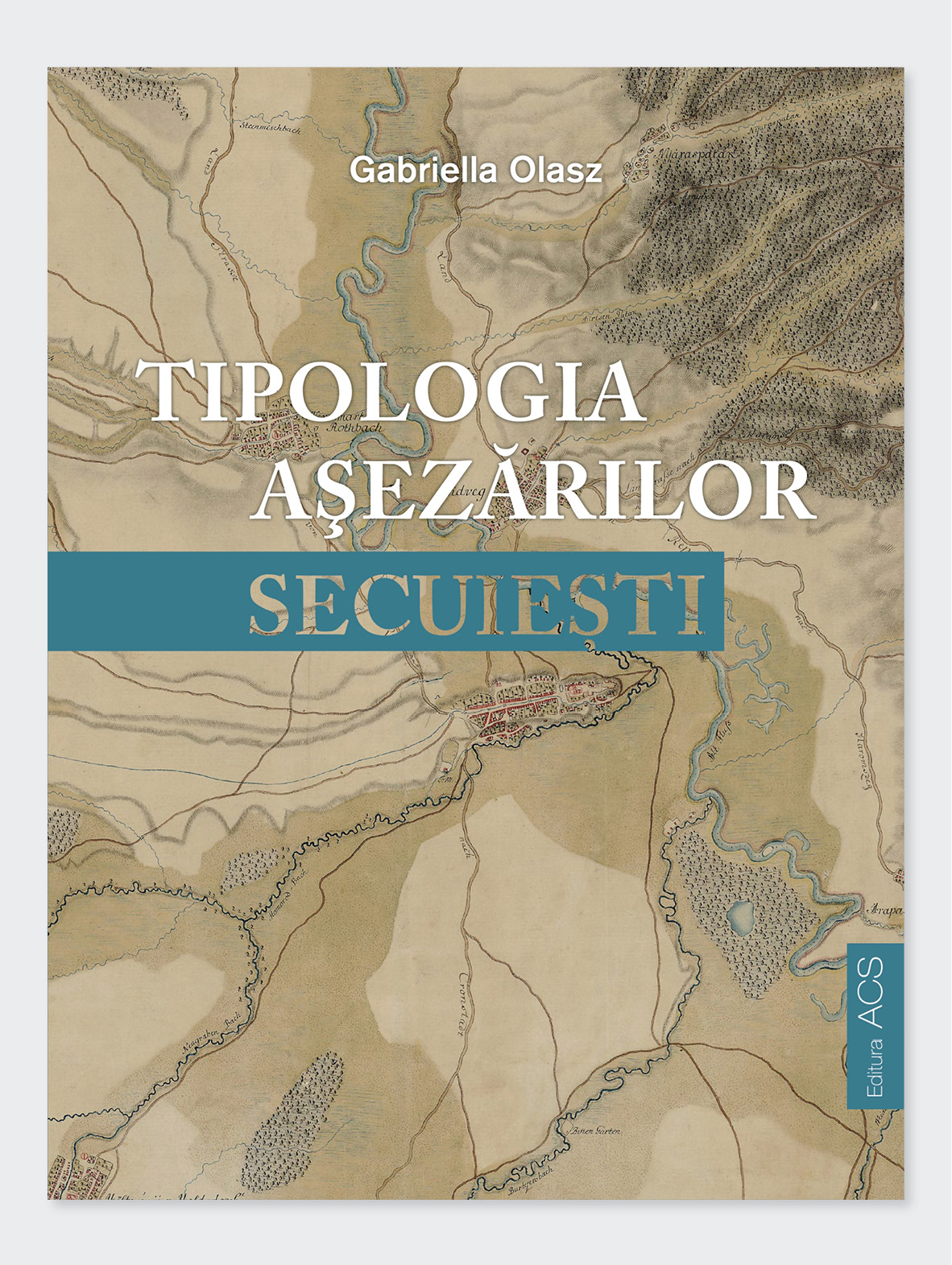
Abstract
The Typology of Székely Settlements offers an in-depth analysis of how villages were formed and transformed over time, depending on population dynamics and patterns of land ownership. Building on the classical typologies of settlements in Romania, the author introduces essential nuances and highlights the role of social, military, and legal factors in shaping them. The study brings to light specific forms of land subdivision and spatial organization, offering a valuable perspective on the diversity of both rural and urban landscapes. It is a reference work for architects, urban planners, and researchers interested in the evolution of settlements.
“I believe I am not mistaken in considering this an important fragment of the vast puzzle that is the dynamic picture of settlement networks in the Romanian space. An image that has been under construction for a long time and which, for several decades, has been tending toward completion and integration into the continental framework, in order to create a natural Eurasian continuity. A puzzle that includes the genesis, evolution, morphostructural typologies, development systems, parceling systems, legislation, customs, institutions, cultural specificities, and other aspects of rural, semi-urban, and urban settlements. Within it are addressed issues of genesis, evolution, structural and morphological characteristics, as well as urban and architectural components.
The present work brings together, correlates, compares, and analyzes all available information in order to provide as complete a picture as possible of the Székely habitat. It is evident that the limits of the book’s original scope have been largely exceeded; likewise, such an endeavor cannot be considered complete, as it still requires additional information—especially archaeological data—details, new methods, interpretations, and further reformulations. At the same time, however, such partial syntheses are necessary, as they provide foundations for future research and initiatives, this book having all the attributes of such a synthesis.”
Teodor Octavian Gheorghiu
Gabriella Olasz (b. 1955, Târgu Secuiesc) is a graduate architect of the “Ion Mincu” University of Architecture and Urbanism (UAUIM) in Bucharest and obtained her PhD in architecture in 2007 with the thesis “The Typology of Székely Settlements.” She completed postgraduate studies in historic monument protection at the Budapest University of Technology and received a Bosch Foundation scholarship at the Transylvanian Institute in Gundelsheim, Germany. Between 1981 and 2004, she worked as a design architect, museum specialist, and advisor at the Covasna County Directorate for Culture, and was a member of various approval committees. From 2004 to 2013, she worked as an independent architect and associate lecturer at UAUIM Bucharest, Sibiu branch. From 2013 until retirement, she was a faculty member of the Department of History & Theory of Architecture and Heritage Conservation at the “Ion Mincu” University of Architecture and Urbanism in Bucharest, Sibiu conservation-restoration section. She currently works as a freelance architect in Sibiu, focusing mainly on historical studies.
Her field of activity includes historic monument restoration, design within protected areas, research in architecture and historical monuments, and the preparation of supporting documentation, especially historical studies. She is an accredited specialist of the Romanian Ministry of Culture in the fields of architectural restoration, urban planning, parks and gardens, and research of historic monuments.
She is the author of several studies and publications, a participant in conferences and workshops, and a member of professional and scientific bodies, including the Order of Architects of Romania, the Union of Romanian Architects, the Commission for the History of Cities in Romania, and the Transylvanian Studies Society.
9786068922287
2024
360
Architecture and Urbanism, Visual Arts, History and Cultural Studies
Related publications
 2026
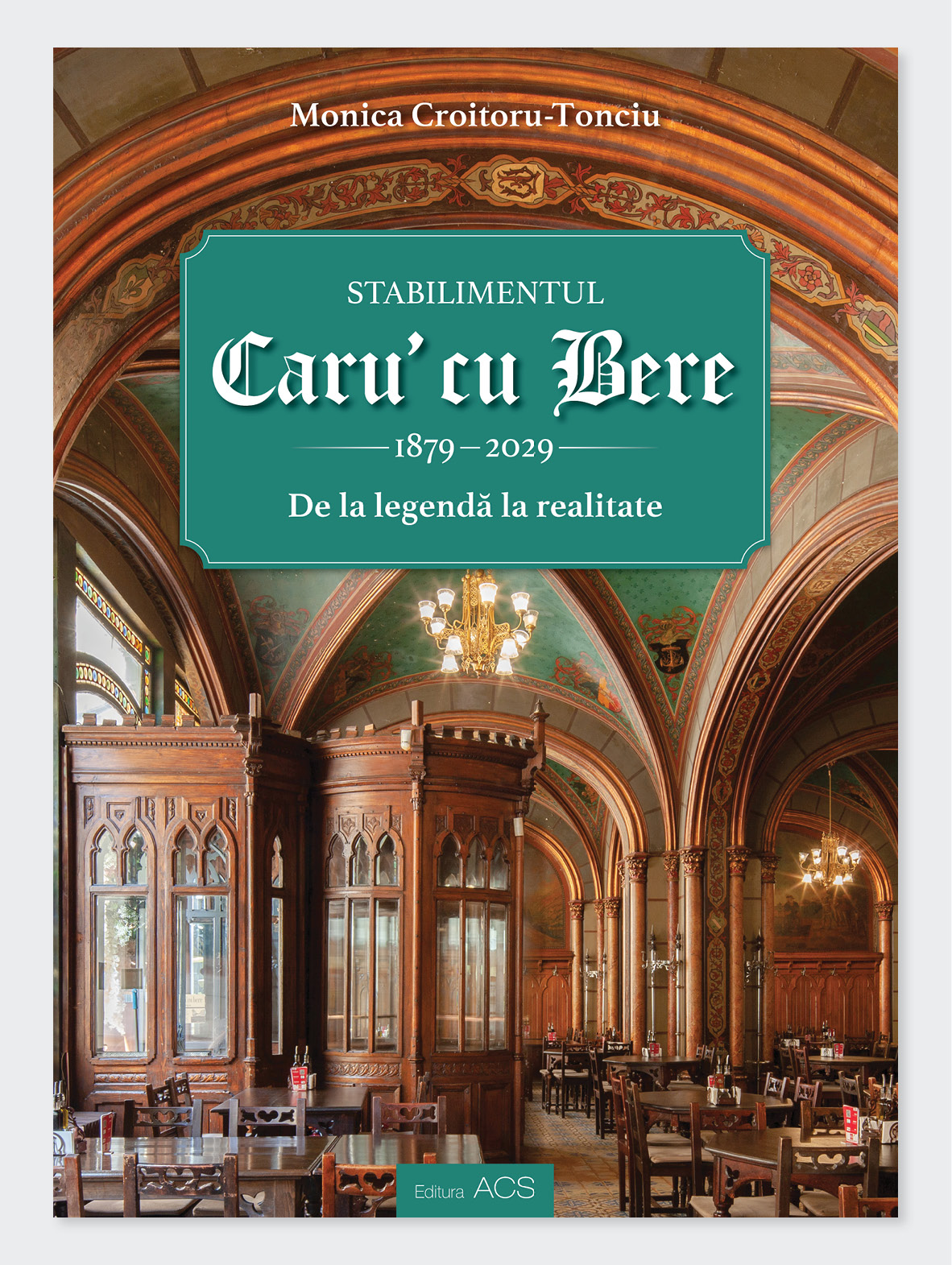
2026Caru’ cu Bere (1879–2029): From Legend to Reality
Monica Croitoru-Tonciu, Niculae Mircea, Eugen Dorobanțu
 2026
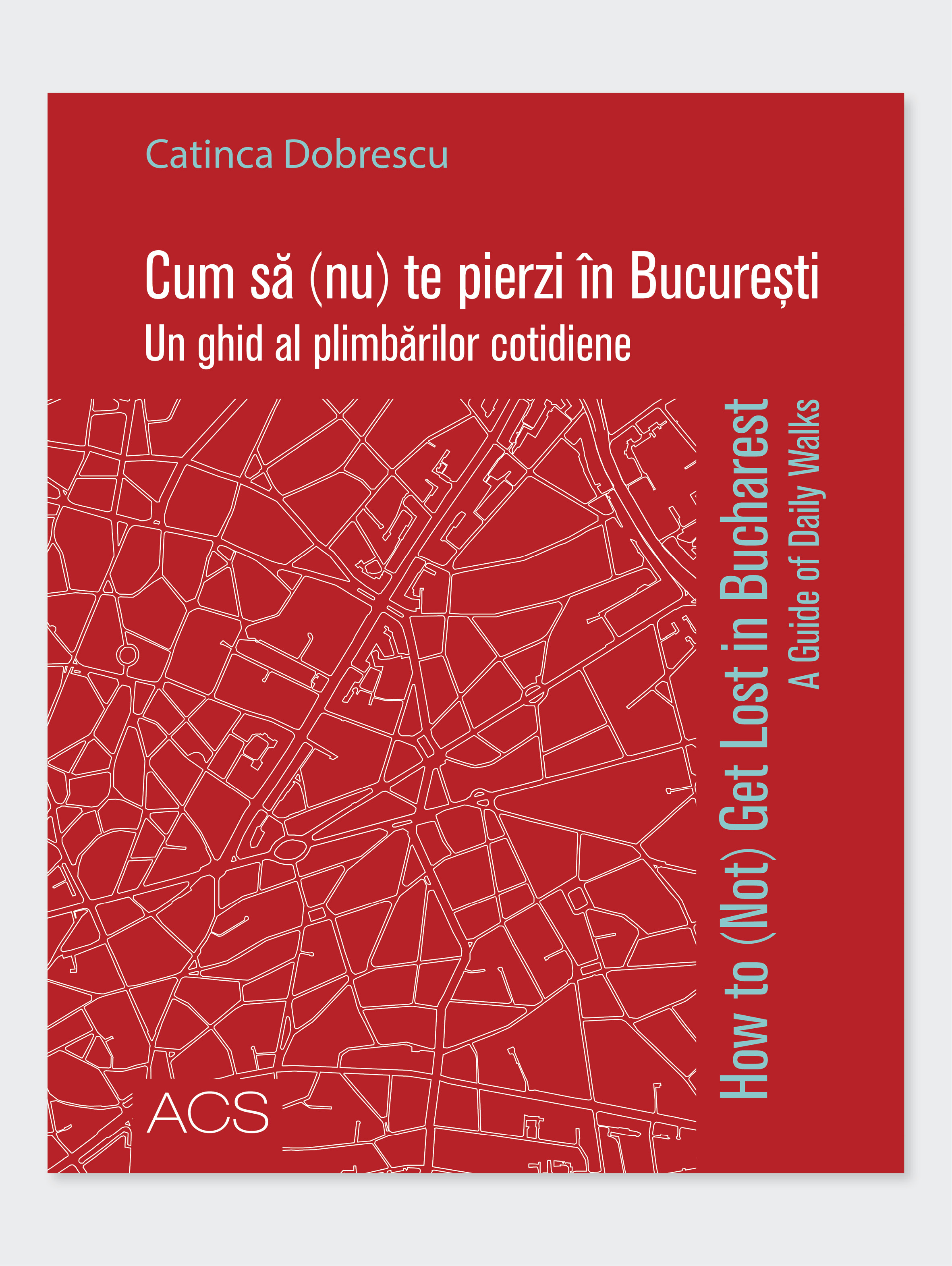
2026How to (Not) Get Lost in Bucharest. A Guide of Daily Walks | Cum să (nu) te pierzi în București. Un ghid al plimbărilor cotidiene
Catinca Dobrescu
 2025
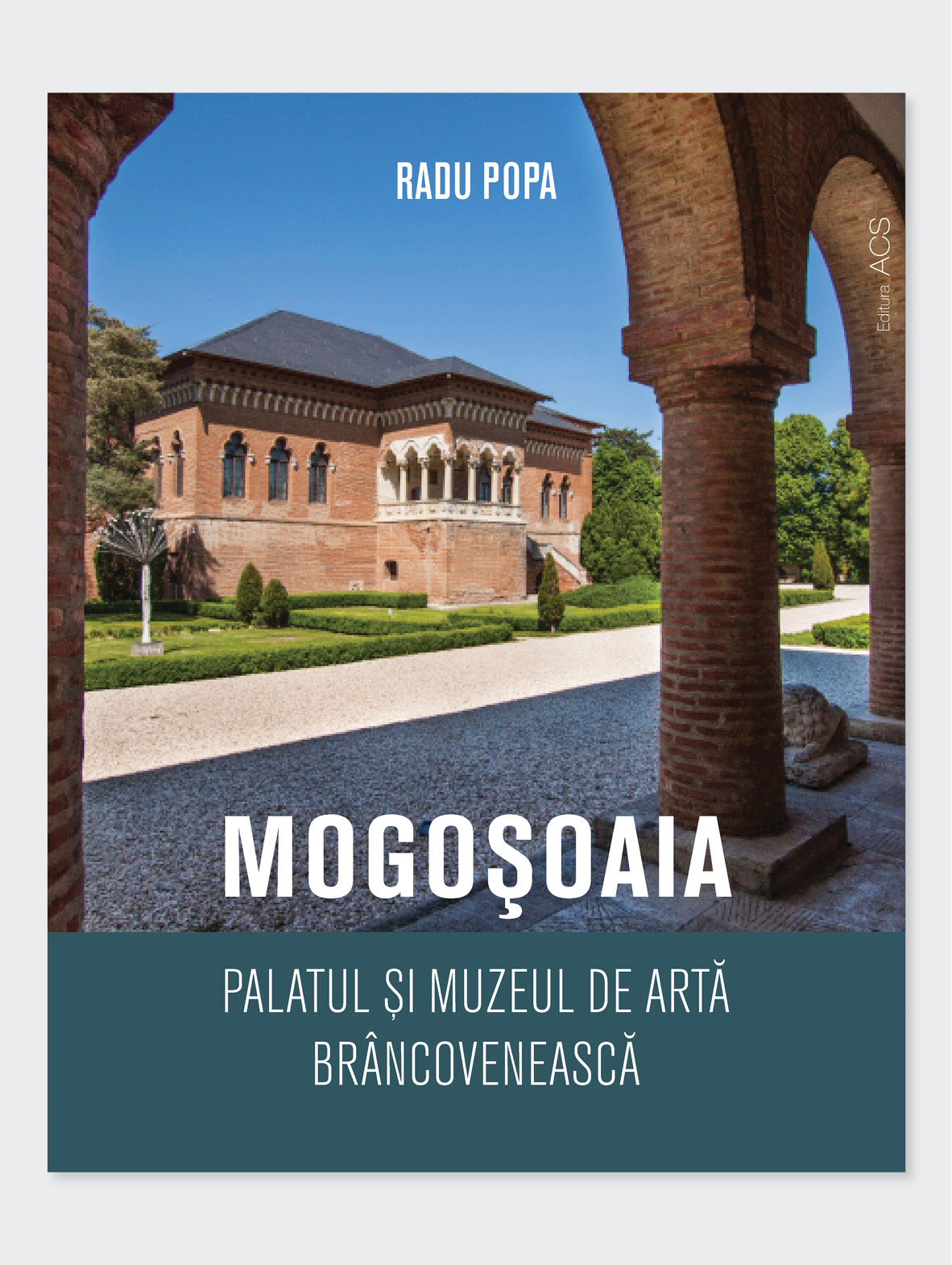
2025Mogoșoaia
Radu Popa