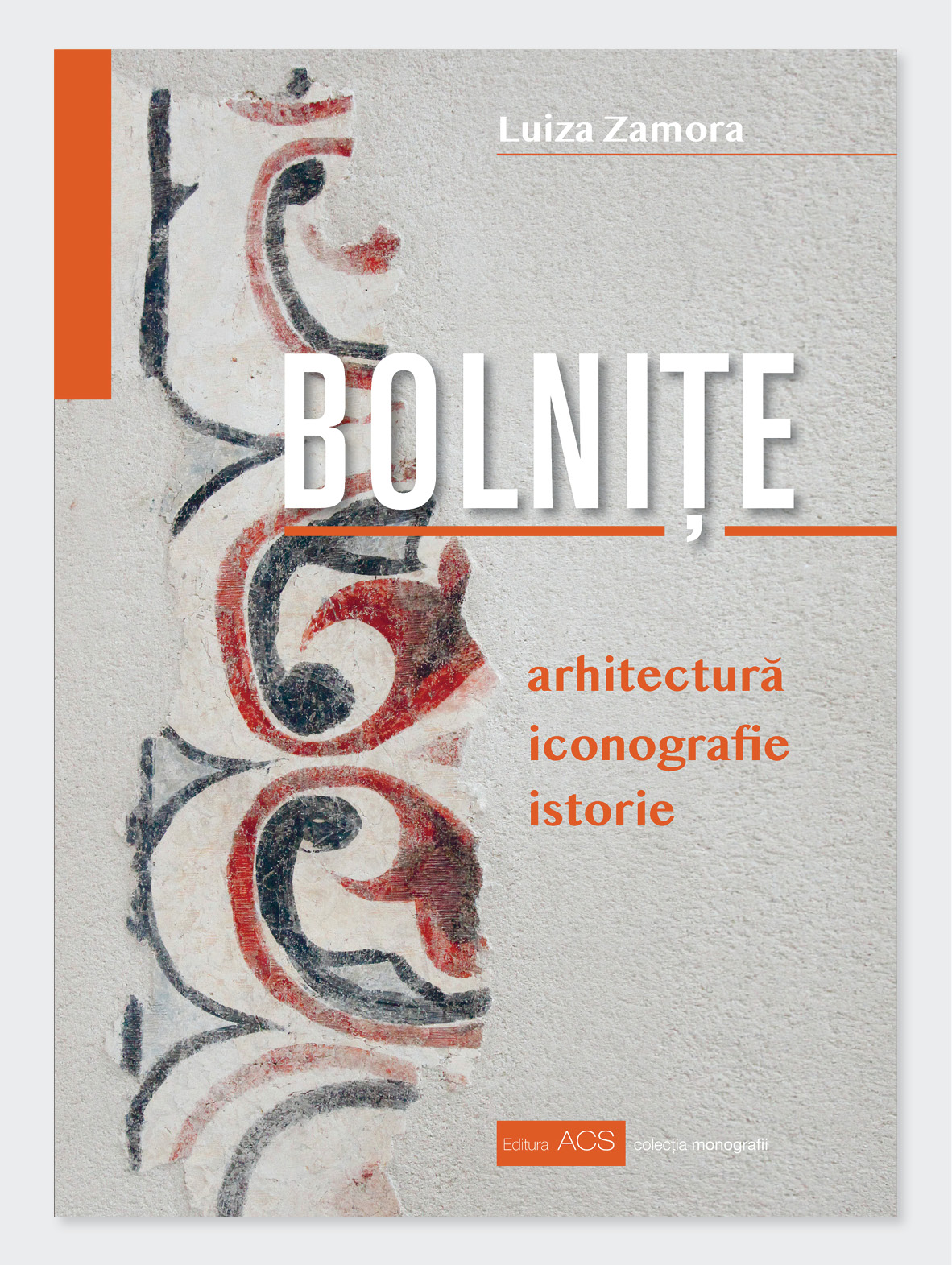
Bolnițe. Arhitectură, iconografie, istorie
Luiza Zamora
Abstract
The book brings together these two perspectives—heritage object and expression of a concern for care—and offers interested readers a broader context regarding infirmary chapels (bolnițe), presenting monographic studies of those still preserved in situ, even if they no longer serve their original purpose: Bistrița, Cozia, Dragomirna, Tismana, Sadova, Hurezi, Brâncoveni, Negru Vodă, Polovragi, Neamț, the Bishopric of Râmnic, Agapia, Căldărușani, Țigănești, Mamu, Văleni, and Dintr-un Lemn.
The introductory section of the book provides a brief journey through neighboring cultural spaces, outlining a concise prehistory of care institutions and the ways in which healing was approached, both from a Christian perspective and through the persistence of pagan traditions. It discusses remedies, the manuscripts that recorded them, and the buildings constructed for those in need, without claiming to exhaust the subject.
Within the monument monographs, certain specific scenes are explained in detail, with references to the sources on which the interpretations are based, in order to facilitate the understanding of the iconographic programs. With the same purpose, several chapters also include brief portraits of personalities whose lives or work were closely connected to these churches.
The book’s primary aim is to illustrate the architectural diversity of infirmary churches, whether built of stone or wood, with rectangular or trilobate plans, with or without towers, featuring exterior paintings or exposed brickwork, and decorated with mural paintings inspired by Byzantine, Neoclassical, or contemporary artistic traditions.
9786068922225
2023
248
Architecture and Urbanism, Visual Arts, History and Cultural Studies
Related publications
 2026
2026Caru’ cu Bere (1879–2029): From Legend to Reality
Monica Croitoru-Tonciu, Niculae Mircea, Eugen Dorobanțu
 2026
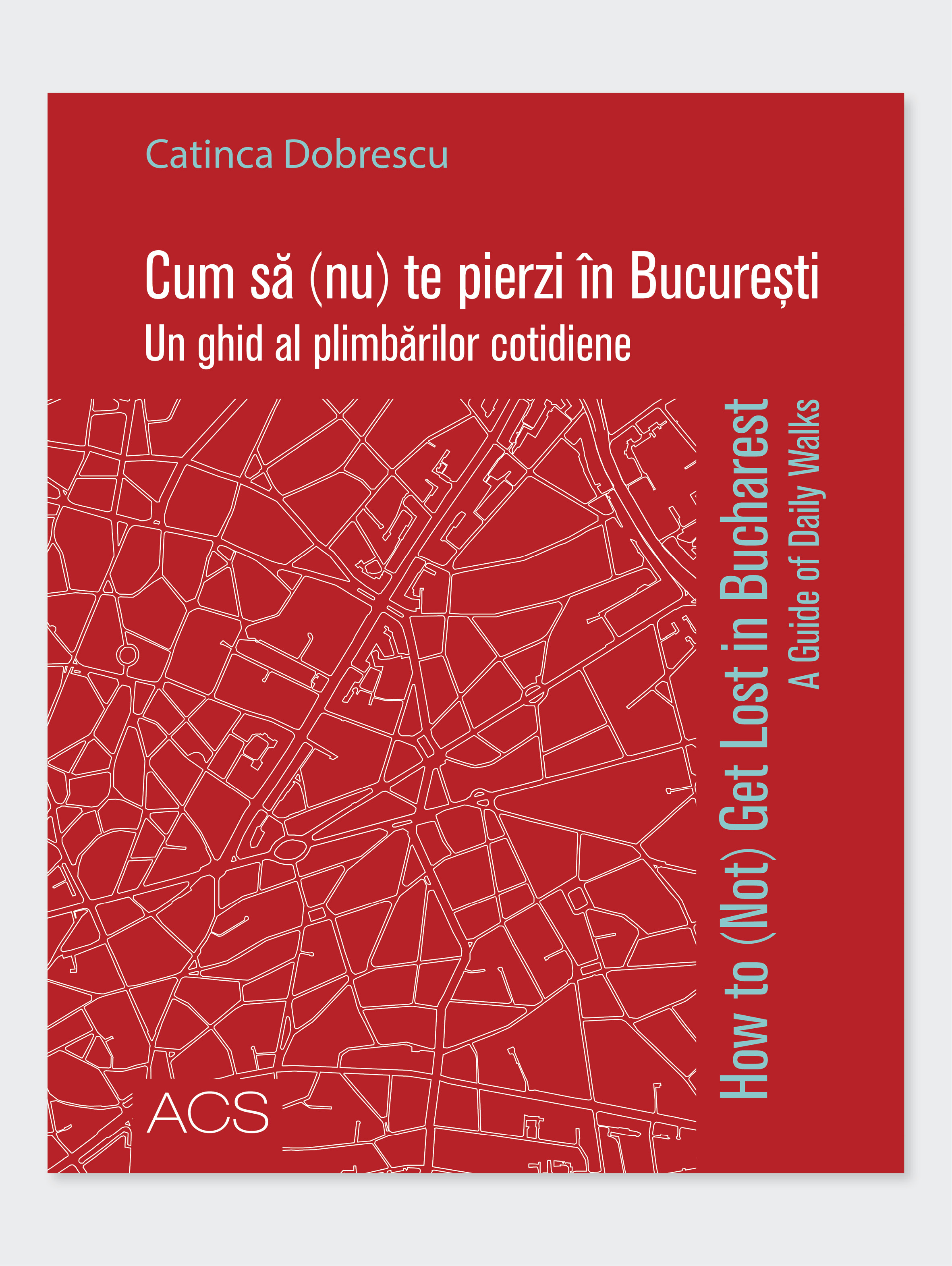
2026How to (Not) Get Lost in Bucharest. A Guide of Daily Walks | Cum să (nu) te pierzi în București. Un ghid al plimbărilor cotidiene
Catinca Dobrescu
 2025
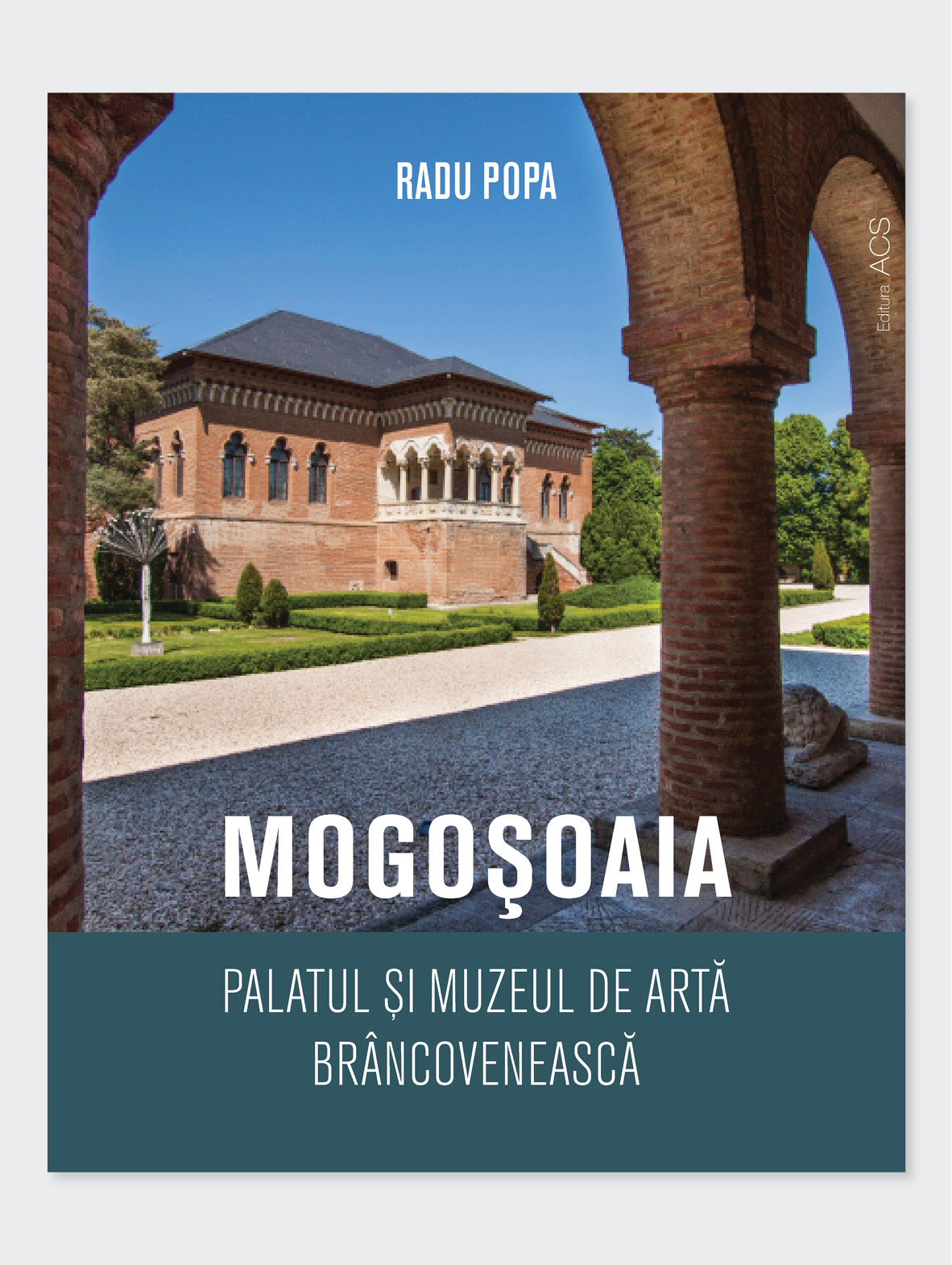
2025Mogoșoaia
Radu Popa